What a trade name does and does not tell you
Chinese grass is a widely used trade name in the sector that does not point to a single botanical species. Two products sold under the same name can differ in fiber fineness, color and texture. The name alone therefore does not confirm the identity of the material.
As the Chinese grass cladding page also stresses, the botanical species, panel size, cladding density and suitability for outdoor use are assessed together with the chosen sample.
Panel size and surface layout
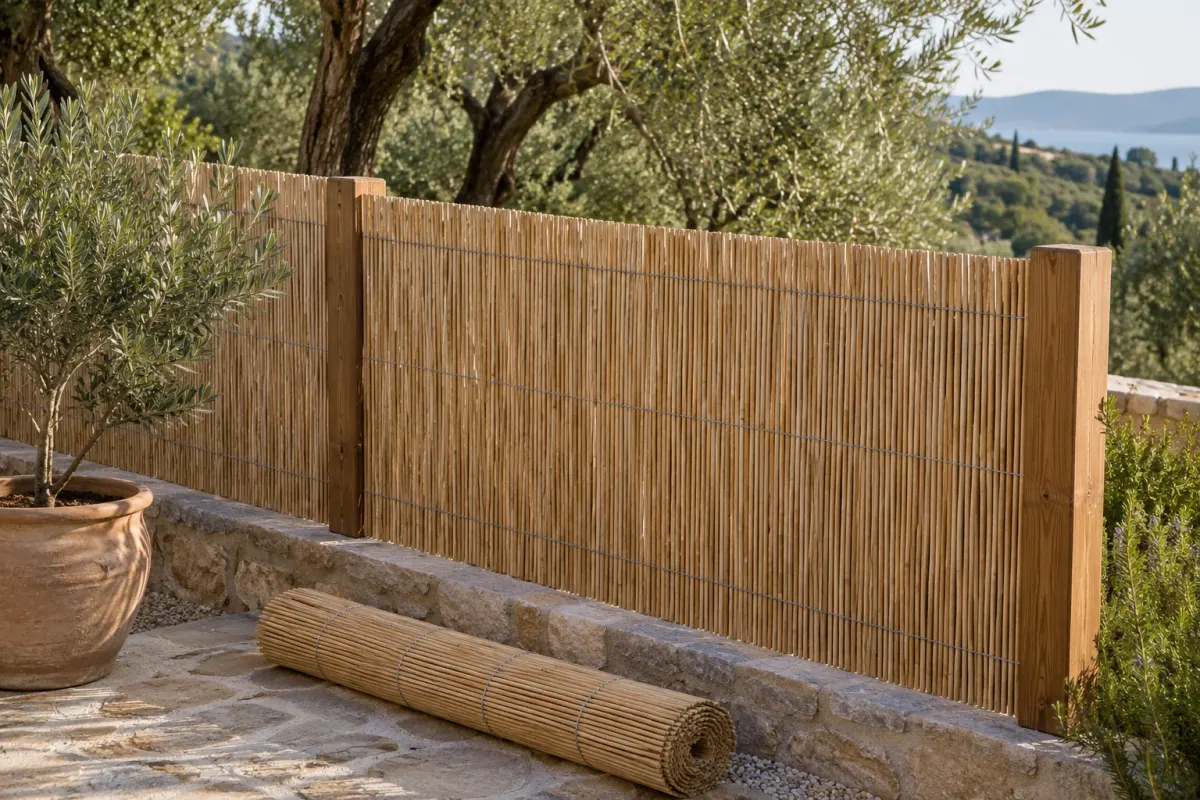
The cladding is usually applied in panels or strips. Panel size determines how visible the joints will be. Larger panels mean fewer joints; smaller panels adapt more flexibly.
When corner returns, edge finishes and surface joints are planned at the start of the design, no new decisions are needed during installation and the surface reads as a whole.
Density and color
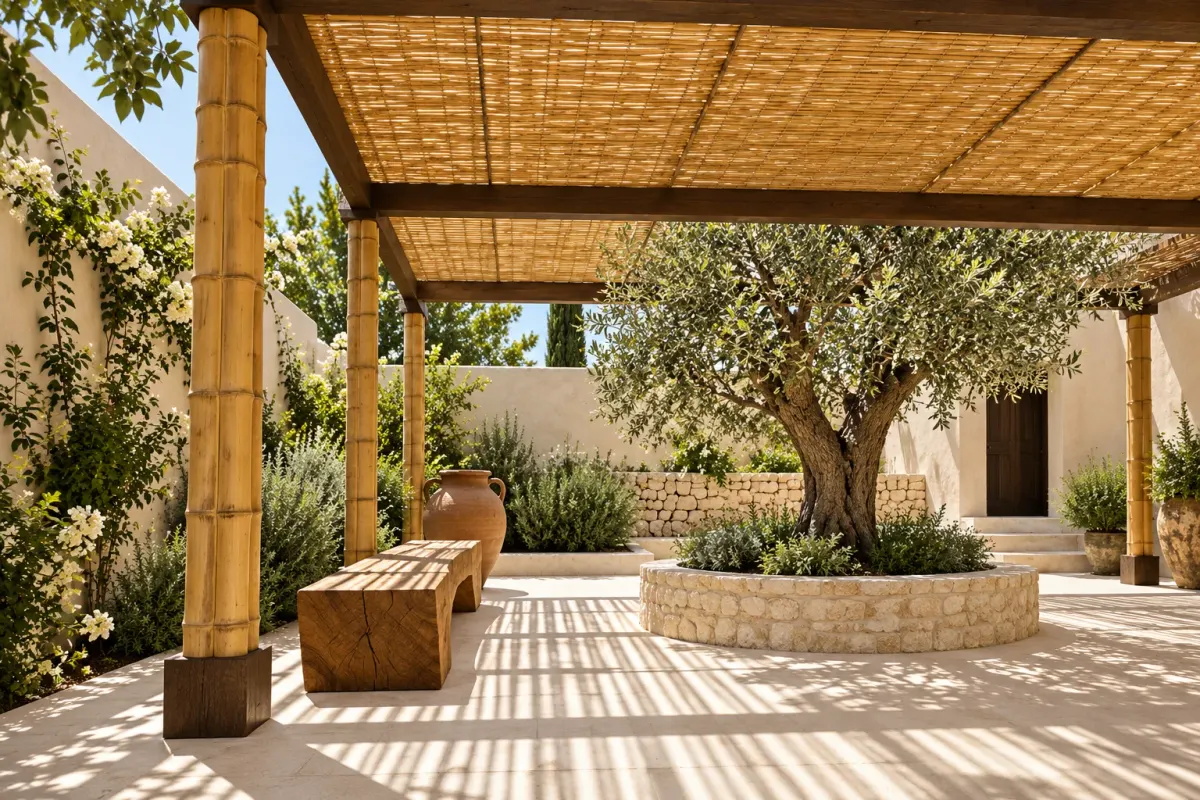
A denser arrangement makes the surface look dark and full, while a looser one lets more light through. Indoors, lighting can be controlled, so this choice is more predictable; outdoors, the effect of sun and moisture has to be considered separately.
Color and tone differences are normal in a natural material. Seeing the sample in the light of the space, if possible at different times of day, makes the decision easier.
Questions to ask about a sample
Because the trade name is vague, the sample is the real source of information. Questions that can be asked along with it include: which plant does the fiber come from, in what sizes are the panels prepared, how is fixing done, and is the surface treated or raw? If the answers are written down, comparing options becomes easier.
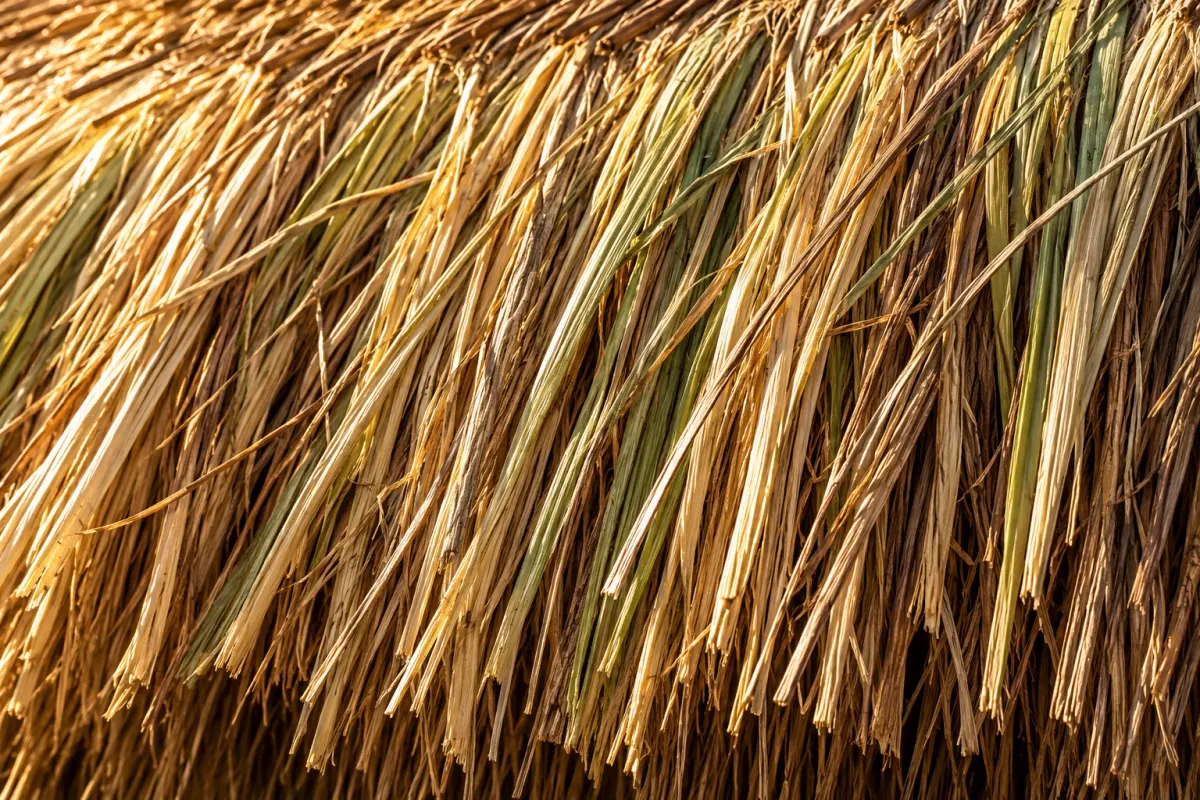
Beyond that, how the sample sits in the hand, how flexible it is and whether its edges fray can also be observed. A small piece does not say everything, but it gives reliable clues about the character of the material. The decision should rest on these observations, not on what the name suggests.
If several samples can be obtained, trying them side by side on the same surface is very revealing. Differences in fiber fineness, color transitions and arrangement are easy to tell apart when seen next to each other. That way the real differences behind the trade name become visible without needing abstract explanations.
Indoor or outdoor
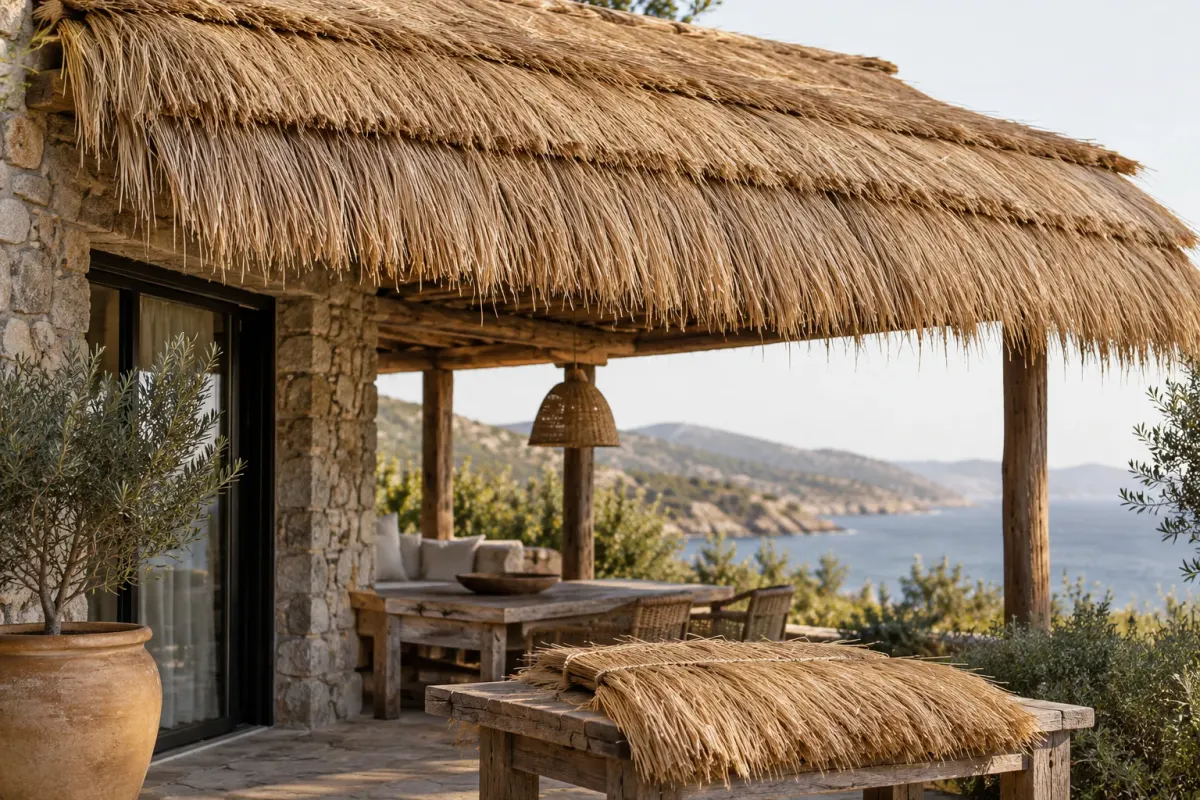
Whether the material suits an open or closed space is assessed separately according to the properties of the product and the conditions of installation. This should not be inferred from the trade name; it should be clarified from the technical information and the sample of the product.
To share a photo and dimensions of the space first, the quote form can be used; for sample and product questions, the contact page.
Finally, it should also be asked whether the chosen sample can be supplied again later. Natural material can vary from batch to batch, so planning the material needed for the whole surface from the same batch matters for tone consistency.
Frequently asked questions
Which plant is Chinese grass?
Chinese grass is a trade name and does not always point to one species. Which plant or fiber it is made from should be learned from the product information and a sample.
Is Chinese grass cladding used the same way indoors and outdoors?
Suitability depends on the chosen product and the conditions of application. Outdoors, sun and moisture are assessed separately, so the decision should rest on a sample and technical information.
Why does panel size matter?
Panel size sets the number and visibility of joints. For the surface to read as a whole, size and edge finishes are planned at the design stage.