In brief
The most common mistake in shade design is to treat shade as fixed. The sun moves through the day and the seasons, the wind direction changes, people sit in different places at different hours. This article covers inputs such as direction, height, fringe and wind in plain language and suggests a simple method you can begin with by observing your own site. The notes offer a general frame; the scope for each site becomes clear at the survey according to its own conditions. We kept it short: each section answers one question, and a three-question FAQ closes the article.
Shade is not fixed
A spot that feels comfortable under a shade structure in the morning can turn hot in the late afternoon sun, because shade moves through the day. Before starting design, a short observation of the site in the morning, at noon and in the afternoon is often the most valuable step toward a correct placement.
Remember too that the sun changes height with the seasons. Sun that arrives high in summer comes in lower in spring and autumn and changes the direction of shade.
Height and fringe
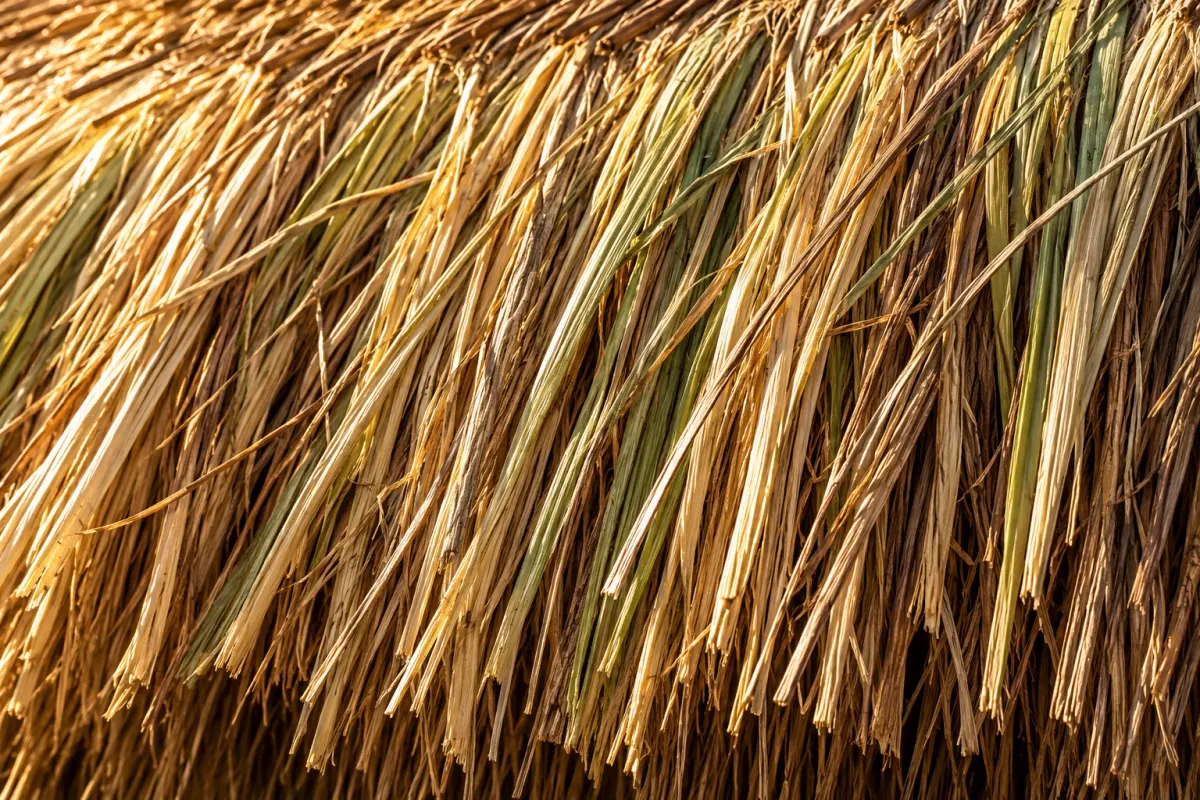
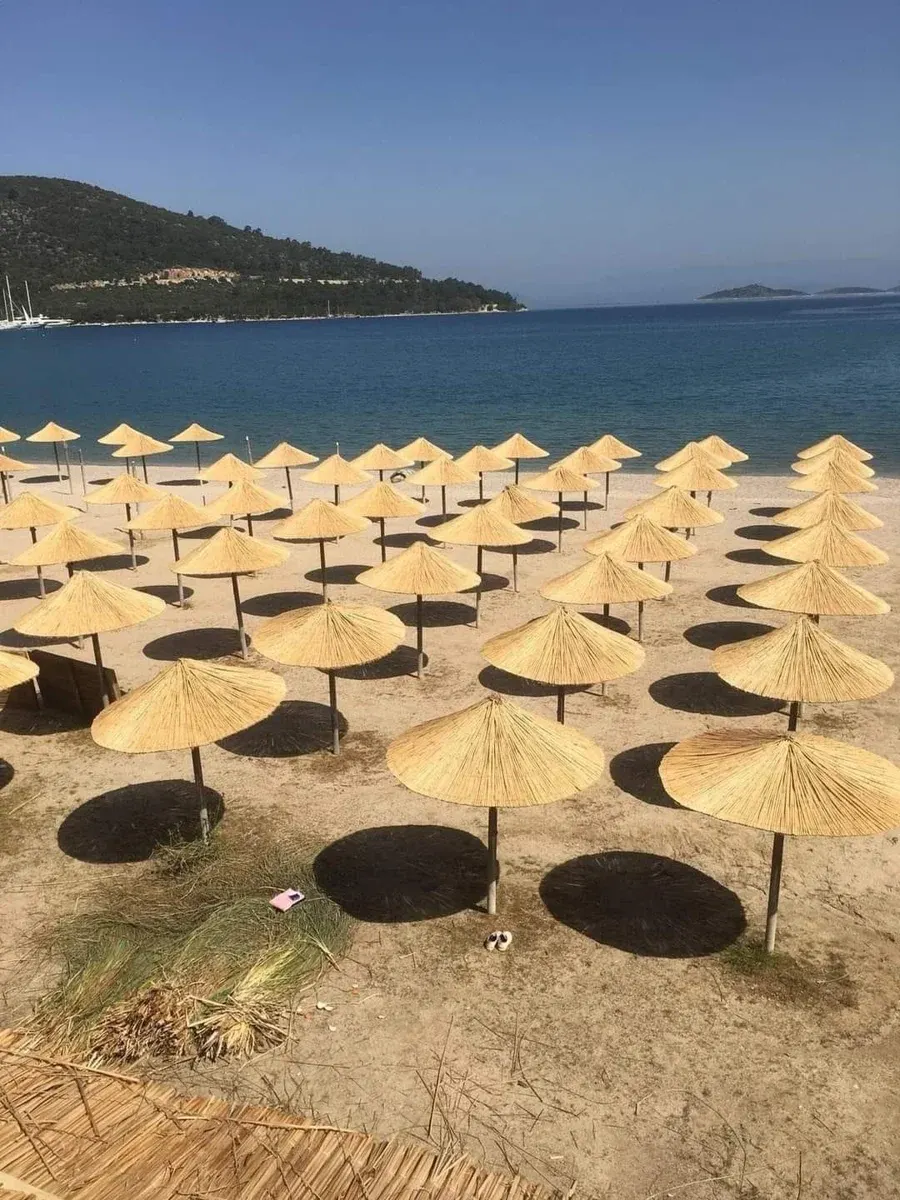
The higher the structure, the farther shade falls, but the feeling of airiness and exposure to wind also grows. A low structure feels more sheltered but can trap warm air. In fringed solutions such as a reed roof or reed umbrella, fringe length affects how deep the shade is at the edges.
Walking height must not be forgotten either. A lower edge that someone carrying a tray can pass comfortably is set from the start for safety and comfort.
Treat wind as an input, not an enemy
Openness and shelter
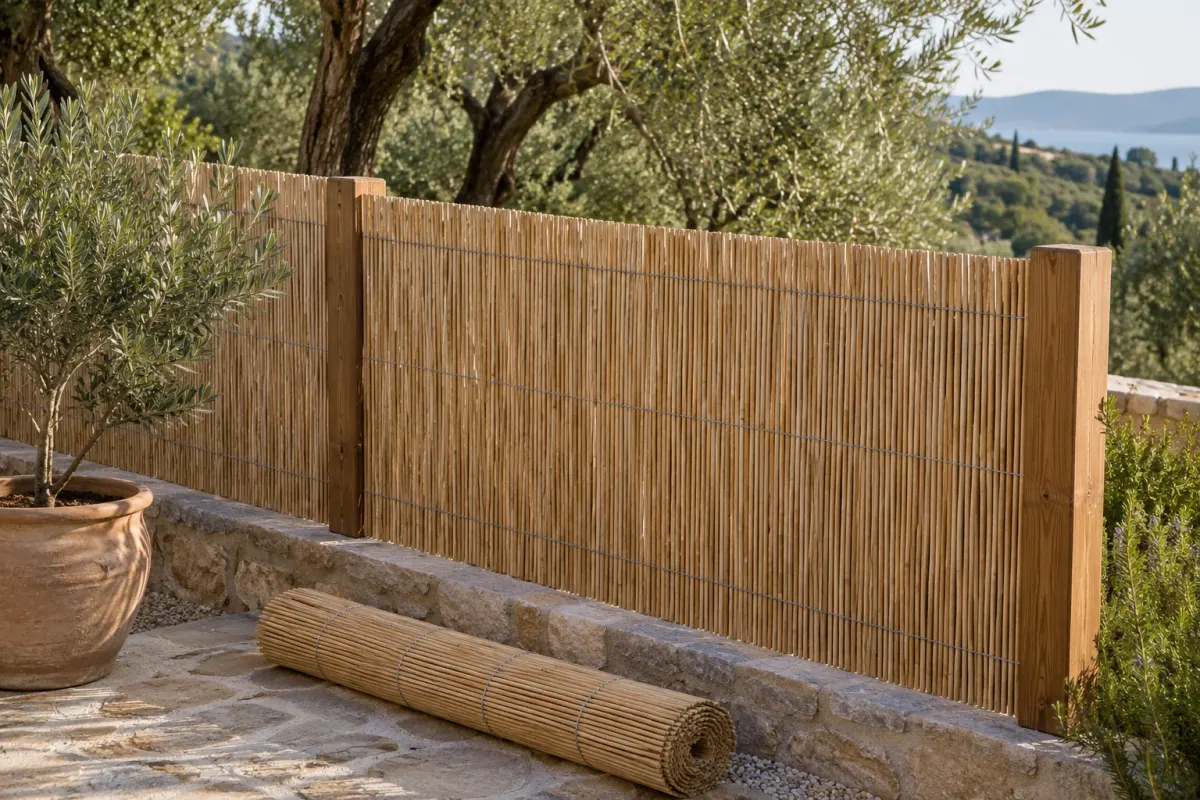
On an exposed shore, a balance is needed between the shade structure and a windbreak. A bamboo fence or screen can soften wind without blocking it entirely.
Connections and supports
Wind load is an important input for the strength of supports and connection details. This is handled separately at the survey according to site conditions; no single measure can be given for every site.
A simple way to observe
Before getting into complicated calculations, you can run a simple test on site. Take photos from the same point at set hours during one day and mark where the shade falls. Imitating the planned shade with a rope, a sheet or a temporary awning strengthens the observation.
These photos are among the most valuable information to share with us during the survey. The movement of shade explains the placement decision far more clearly than numbers. A frame taken at another time of year for the seasonal difference gives a forward-looking idea.
Use shade as a design element
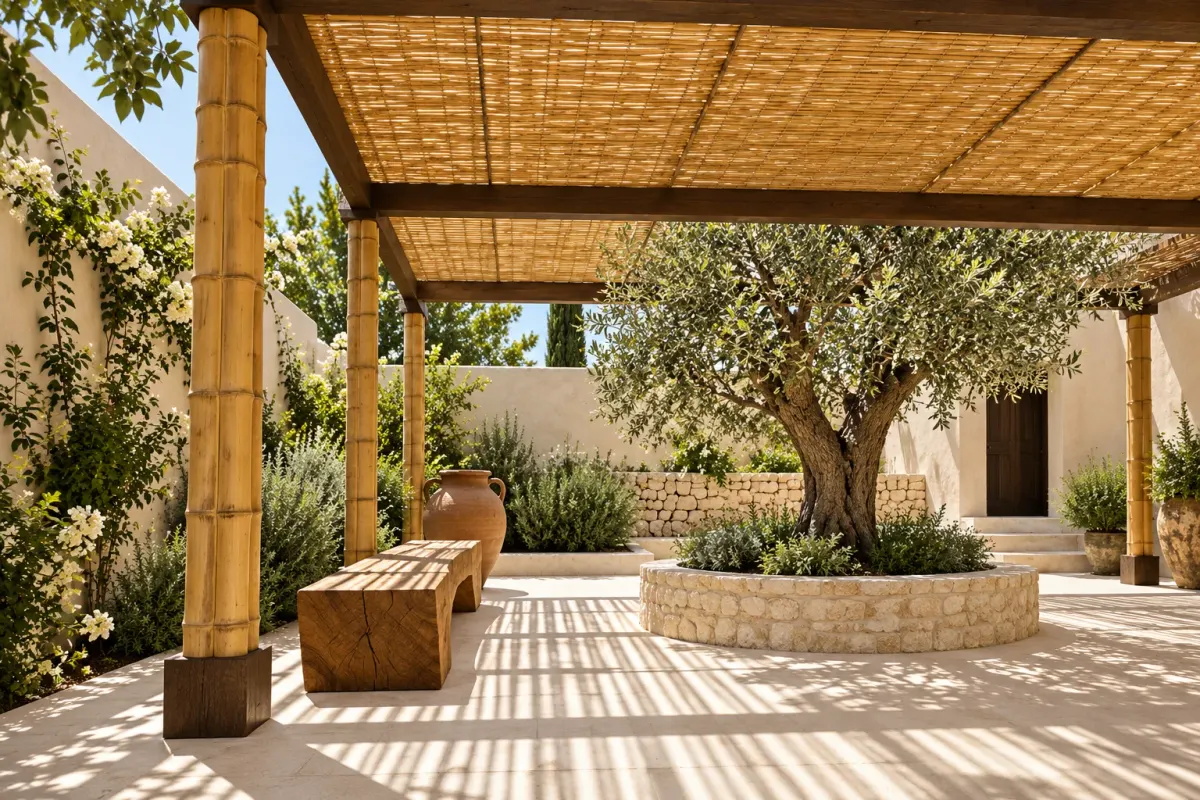
The shadow pattern that reed fringe and bamboo lines cast on the ground adds a separate texture to a space. To see this pattern, look at a sample of the same material in the sun. Try it in one part first, then extend it.
Describe the conditions of your site and reach us for a survey or leave a quote request.
Frequently asked questions
Which direction should a shade structure face?
There is no single right direction. The sun's path across the site, hours of use and the view line are assessed together; this observation is made on site.
How high should a shade structure be?
Height is set according to the balance between circulation, airiness and wind effect. A fixed measure cannot be given; the decision is made by measuring the site.
Can a reed shade structure be used in a windy place?
It can; but the supports and connection details must be handled separately at the survey according to wind load.