In short: Plant-based materials come from renewable sources, but sustainability depends not only on the material but also on the source, transport, installation and care. This post is a general overview.
Sustainability is not a single feature
A material being natural does not automatically make it sustainable in every respect. How the source is managed, how far the material travels and how much it is processed also shape the outcome.
For this reason we do not make firm environmental claims; we only share general information and discuss it project by project.
Strengths of plant-based materials
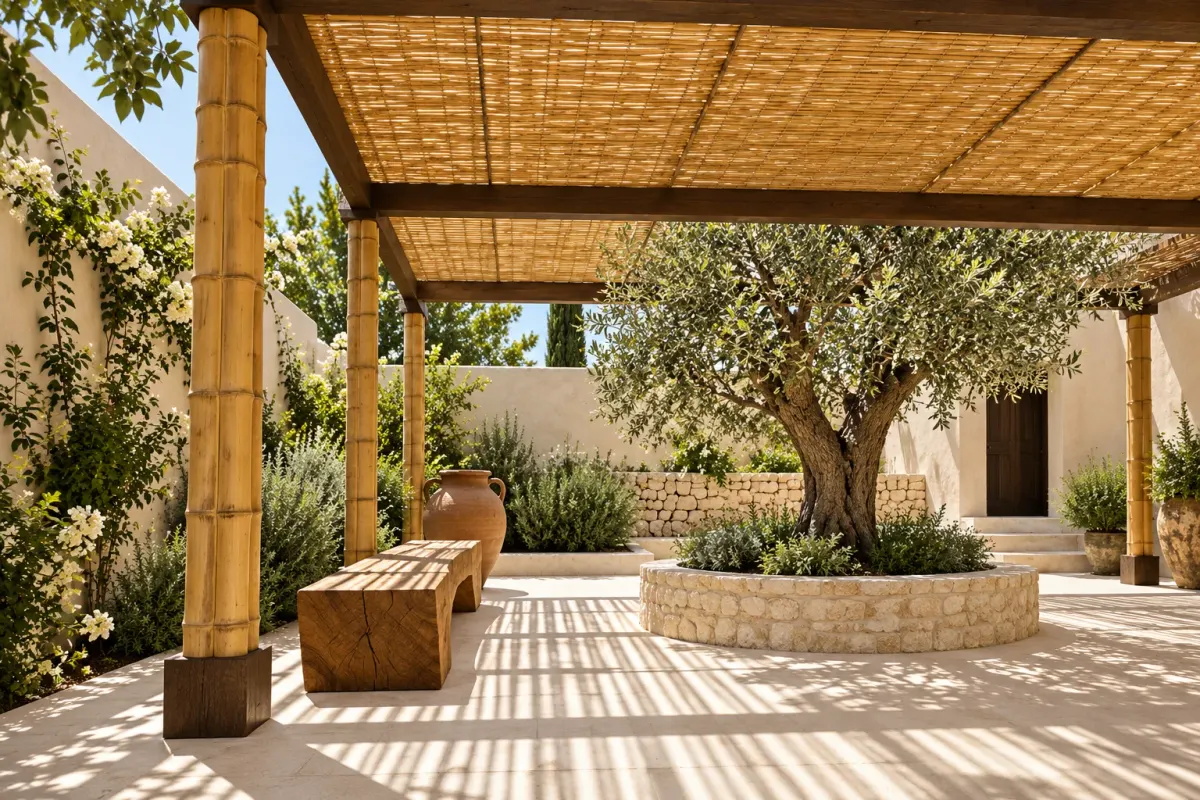
Plants such as reed, cane and bamboo are renewable resources, and processing them often requires a limited industrial process. Bamboo is often mentioned as a relatively fast-growing plant.
- Coming from renewable plant sources
- Often needing limited processing
- Offering a different possibility of assessment at end of use because of its plant structure
These points are general information; they do not mean they apply to every product and supply chain.
Questions you can ask when choosing
Source and supply
Where does the material come from and how is it supplied? Asking the supplier for the answer is a reasonable step.
Use and care
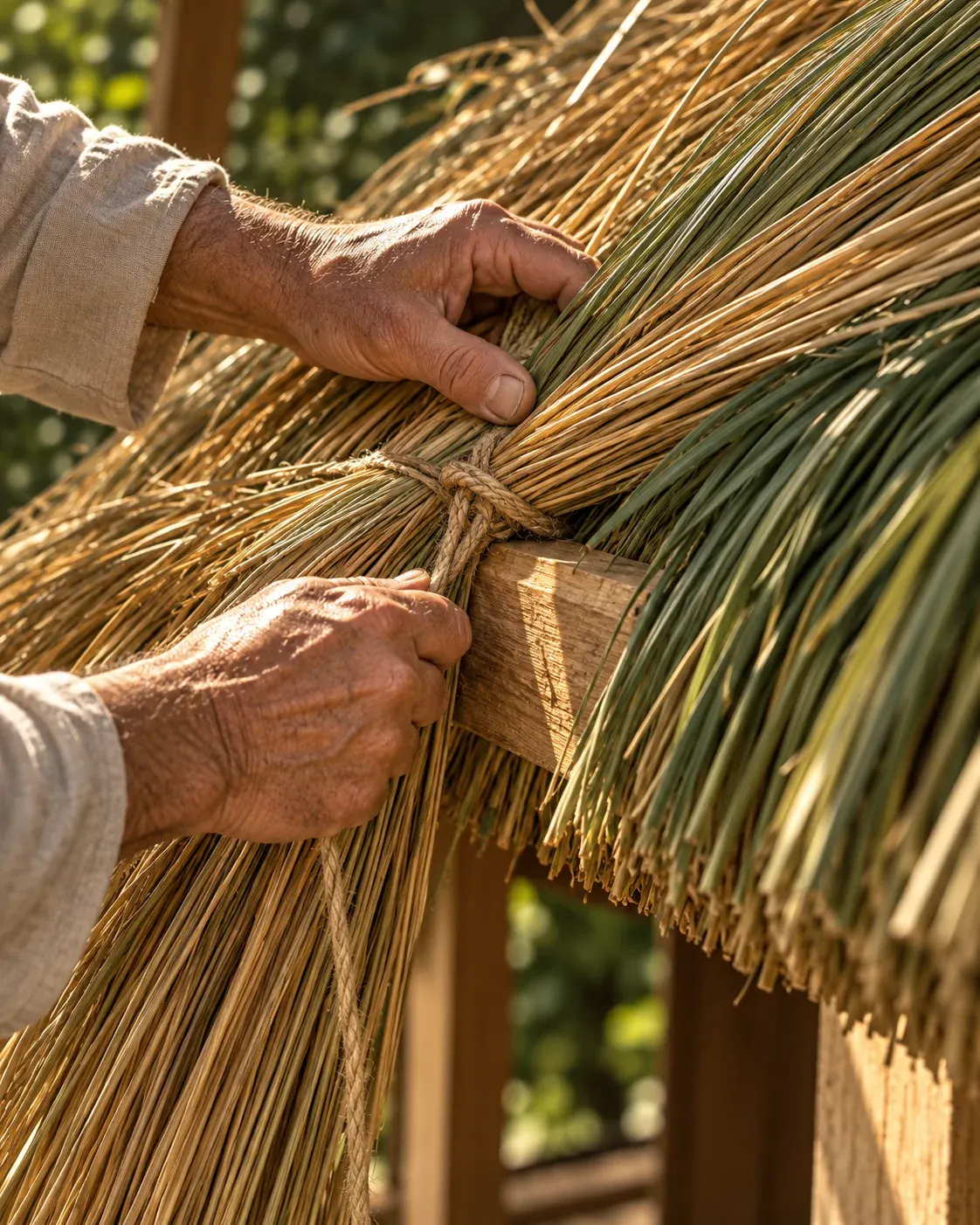
Used in the right conditions with regular checks, the material offers a more balanced course. We covered this in outline in our post on the maintenance approach.
Design and need
Solutions chosen for needless surface, excess material or short-term use increase resource use regardless of the type of material. Describing the need accurately matters for this reason.
Let us assess options together
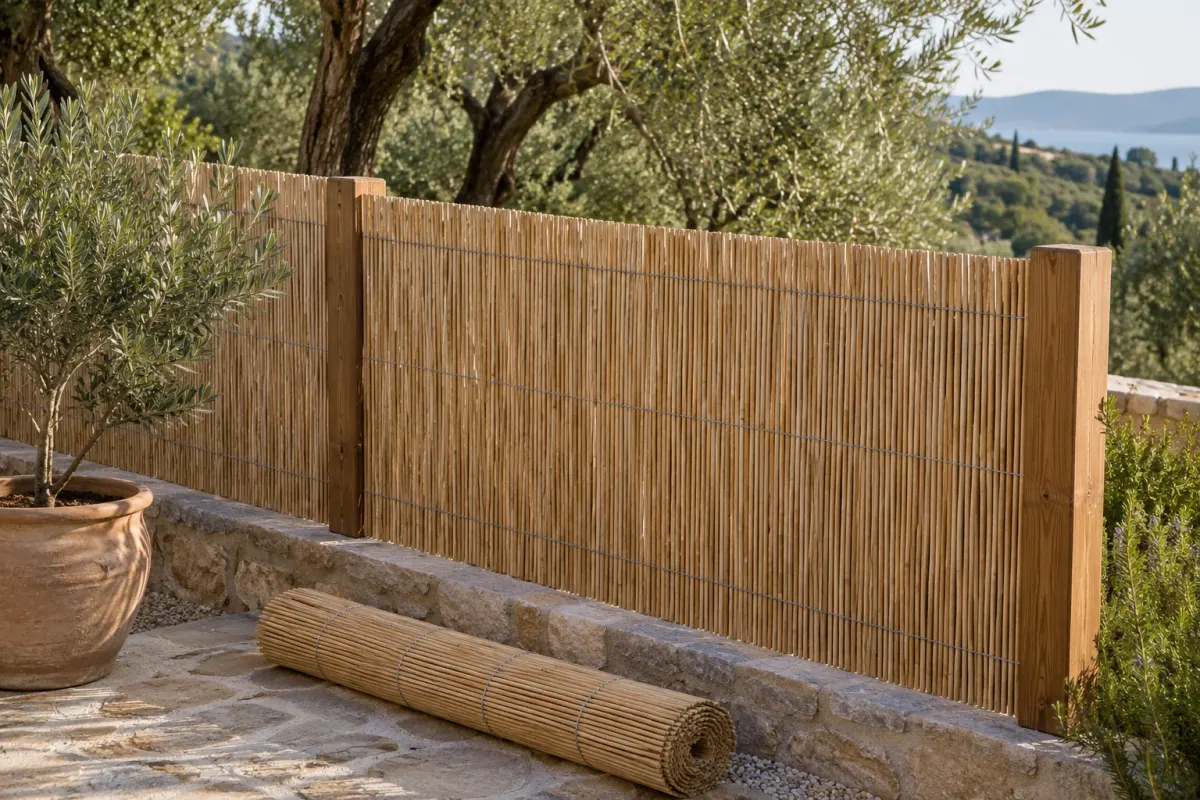
You can look at products such as the reed fence, bamboo fence and decorative bamboo, and within our consultancy service we can discuss a route that suits your needs. To start, use the request a quote form.
Small steps, conscious choices
A sustainable approach is made less of big claims than of everyday decisions. Using the right amount of material, keeping it usable for a long time through care and preferring repairable solutions are useful habits regardless of the type of material.
- Not planning more surface or material than needed
- Spotting the need for renewal in time through regular care and checks
- Considering partial repair where possible
- Asking questions about supply and processing
This approach can make both resource use and decisions spread over time more balanced. These are general suggestions and not a commitment to any environmental outcome.
In summary
Sustainability is a whole made up of the naturalness of the material, its source, transport, installation and care. Rather than declaring a single material "the most sustainable", making a conscious choice at the scale the need requires is a healthier approach. This post is a general overview and contains no claim of certification or environmental outcome. You can send your questions through the contact page.
If sustainability is a priority in a project, it helps to say so at the start of the conversation. This way material, design and care options are discussed with that priority in mind. Still, because results vary with the space and supply conditions, no firm environmental result is predicted.
Frequently asked questions
Is natural material always eco-friendly?
Not always. Factors such as source management, transport and processing influence the outcome. We share general information instead of firm environmental claims.
Do you hold a sustainability certificate?
We make no claim of any document or certificate in this post. You can send us your questions about supply and material information.
Which material is more sustainable?
It would not be right to give a single answer. It is assessed together with the purpose of use, the space and source information.